Get Free Estimates and Save 10%
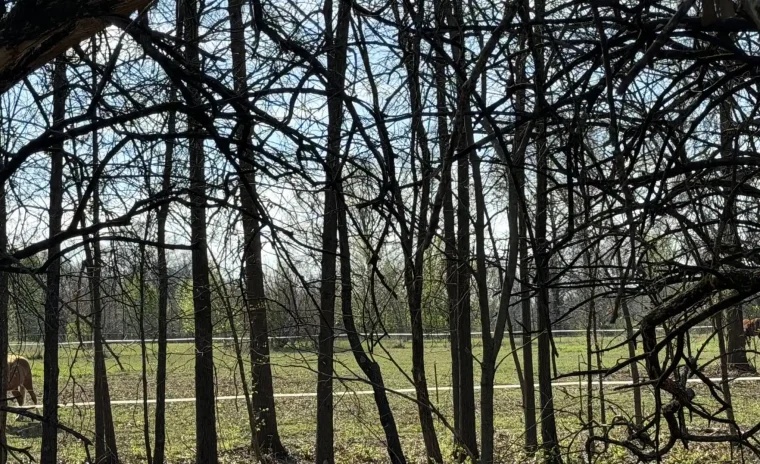
Understanding Harrisburg’s Unique Forestry Environment
Property owners in the Harrisburg region face a distinctive set of land management challenges shaped by Missouri’s central climate patterns and soil composition. The area experiences hot, humid summers that accelerate undergrowth and invasive species establishment, while unpredictable spring rainfall can lead to soil erosion on sloped timber tracts. These conditions require vigilant monitoring and proactive intervention to maintain healthy woodlands.
The native hardwood forests surrounding Harrisburg consist predominantly of oak, hickory, and maple species that thrive in well-drained bottomland soils. However, eastern redcedar encroachment has become increasingly problematic over the past decade, particularly on properties with reduced grazing pressure or discontinued agricultural use. This invasive conifer outcompetes native hardwoods for moisture and sunlight, fundamentally altering forest composition and reducing wildlife habitat quality.
Seasonal timing plays a critical role in effective land management practices. Late winter through early spring presents the optimal window for selective timber harvesting and invasive species control, when ground conditions remain firm enough to minimize soil compaction yet trees have entered dormancy. Property owners who delay these activities into late spring often find their land too saturated for heavy equipment access, forcing postponement until the following season.
Bear Hill Land Management LLC brings localized knowledge of these regional patterns to every property assessment. Our team understands how Harrisburg’s specific topography, hydrology, and growing conditions influence long-term forest health. Professional forestry services tailored to your property’s unique characteristics ensure sustainable outcomes that preserve land value while enhancing ecological function.
Timber Stand Improvement for Long-Term Value
Timber stand improvement represents one of the most impactful investments property owners can make in their forested acreage. This systematic approach involves selectively removing low-quality, damaged, or competing trees to concentrate growth potential in the most valuable specimens. The result is a forest that produces higher-grade timber, supports diverse wildlife populations, and maintains visual appeal for recreational use.
In the Harrisburg area, many properties contain mature timber stands that have never received professional thinning or culling. These overstocked conditions create intense competition for sunlight, water, and soil nutrients. Individual trees develop narrow crowns and slower diameter growth, reducing both timber value and mast production for wildlife. A well-executed timber stand improvement program can reverse these conditions within a single growing season, redirecting resources to the most desirable trees.
The process begins with a comprehensive inventory that identifies species composition, age class distribution, and overall stand density. Properties with mixed hardwood stands benefit from crop tree release, where selected high-value trees receive preferential growing space by removing immediate competitors. This technique proves particularly effective for oak regeneration, as young white and red oak seedlings require overhead canopy gaps to establish successfully.
Typical timber stand improvement activities include:
- Removing diseased, damaged, or poorly formed trees that occupy valuable growing space
- Eliminating invasive species such as bush honeysuckle, autumn olive, and eastern redcedar
- Creating canopy gaps to stimulate understory regeneration and wildlife forage production
- Girdling or herbicide treatment of undesirable species that would otherwise resprout after cutting
Bear Hill Land Management LLC designs timber stand improvement plans based on your specific objectives, whether maximizing future timber revenue, enhancing hunting opportunities, or maintaining scenic woodland aesthetics. Our approach balances immediate results with long-term sustainability, ensuring your investment yields benefits for decades to come.
Invasive Species Management Strategies
Invasive plant species pose the single greatest threat to forest health and biodiversity in central Missouri. These aggressive non-native plants spread rapidly, forming dense thickets that exclude native vegetation, eliminate wildlife food sources, and increase wildfire risk. Properties in the Harrisburg region commonly struggle with bush honeysuckle, autumn olive, multiflora rose, and eastern redcedar, all of which require sustained management efforts to control effectively.
Bush honeysuckle deserves particular attention due to its prevalence and aggressive growth characteristics. This shrub leafs out earlier in spring and retains foliage later into fall than native species, giving it a competitive advantage for sunlight capture. A single mature bush honeysuckle can produce thousands of seeds annually, which birds readily disperse across wide areas. Left unmanaged, this species can transform an open woodland understory into an impenetrable thicket within five years.
Eastern redcedar presents a different challenge. While technically native to Missouri, this conifer has expanded far beyond its historical range due to fire suppression and reduced grazing. In Harrisburg’s grassland-forest transition zones, eastern redcedar forms dense stands that eliminate herbaceous vegetation and dramatically alter soil chemistry. These monocultures support minimal wildlife diversity compared to native hardwood forests and create continuous fuel ladders that facilitate crown fires during dry periods.
Effective invasive species control requires an integrated approach combining mechanical removal, chemical treatment, and follow-up monitoring:
- Initial clearing using forestry mowers, brush saws, or manual cutting to reduce biomass
- Targeted herbicide application to cut stumps or basal bark to prevent resprouting
- Annual monitoring and treatment of seedlings before they establish extensive root systems
- Native species planting to occupy reclaimed growing space and resist reinvasion
Timing matters significantly for treatment success. Herbicide applications prove most effective during active growing periods when plants translocate nutrients to root systems, typically late spring through early fall. However, mechanical clearing during these periods can stimulate aggressive resprouting, sometimes worsening the infestation. Professional assessment determines the optimal treatment sequence for your property’s specific conditions. Contact Bear Hill Land Management LLC to develop a customized invasive species management plan that protects your investment and restores native ecosystem function.
Wildlife Habitat Enhancement Techniques
Landowners throughout the Harrisburg area increasingly recognize the value of managing properties for wildlife habitat alongside traditional forestry objectives. Well-designed habitat improvements benefit game species such as white-tailed deer, eastern wild turkey, and various upland birds while simultaneously supporting declining pollinator populations and non-game species. These enhancements often align naturally with sound forest management practices, creating synergies that maximize ecological and economic returns.
Mast production, the annual yield of nuts and fruits that sustain wildlife through winter months, depends heavily on forest structure and composition. Oak species provide the foundation of Missouri’s mast-producing ecosystem, with white oak acorns preferred by deer and turkey for their lower tannin content and immediate germination. However, many Harrisburg-area woodlands have aged into mature, closed-canopy stands where oak regeneration has stalled. Without intervention, these forests will gradually convert to shade-tolerant species like maple and elm that produce minimal wildlife value.
Creating early successional habitat addresses this challenge while providing critical cover and forage for numerous species. Controlled canopy gaps, ranging from one-quarter acre to several acres depending on property size, stimulate dense herbaceous and shrub growth. These openings become magnets for wildlife activity, offering nesting cover for ground-dwelling birds, browse for deer during winter months, and abundant insect populations that sustain turkey poults and songbird nestlings.
Practical wildlife habitat improvements include:
- Establishing native warm-season grass plantings in former crop fields or pastures
- Creating edge zones between forest and open areas with graduated vegetation structure
- Retaining standing dead timber and fallen logs that provide denning and foraging opportunities
- Developing small wetland areas or seasonal pools in drainage ways for amphibian breeding habitat
- Planting native fruit-bearing shrubs such as serviceberry, elderberry, and native plums
The mid-Missouri climate supports rapid vegetation response to habitat improvements. Properties that undergo well-planned timber stand improvement and invasive species control typically show measurable increases in wildlife activity within a single growing season. Deer browsing sign becomes more concentrated, turkey populations expand their range to include improved areas, and bird diversity increases noticeably during spring migration. Bear Hill Land Management LLC integrates habitat considerations into every forest management plan, ensuring your property supports robust wildlife populations while maintaining timber productivity and aesthetic value.
Sustainable Harvest Planning and Implementation
Timber harvesting represents a significant financial opportunity for landowners with mature forest stands, but improper execution can cause lasting damage to soil structure, water quality, and future regeneration potential. Sustainable harvest planning ensures timber removal generates immediate revenue while positioning the property for continued productivity and ecological health. This approach requires careful consideration of market conditions, harvest methodology, and post-harvest site treatment.
Many Harrisburg-area properties contain merchantable timber that has reached biological maturity, meaning annual growth rates have slowed to the point where trees accumulate minimal additional value. Harvest timing becomes critical at this stage. Delaying harvest beyond biological maturity increases risk from wind damage, insect infestation, and heart rot that degrades wood quality and reduces market value. However, premature harvest sacrifices potential growth and may occur during unfavorable market conditions.
Professional timber cruising provides the foundation for informed harvest decisions. This process involves systematically measuring tree diameter, height, and quality throughout the property to estimate total volume and value by species and product class. Accurate cruising data enables realistic price negotiations with logging contractors and mills, preventing the financial losses that commonly occur when landowners lack objective information about their timber’s worth.
The physical harvest operation requires equal attention to detail. Poorly planned skid trails and log landings cause unnecessary soil disturbance that creates erosion channels and compaction zones where tree regeneration struggles for years afterward. Harvesting during wet soil conditions compounds these problems, with heavy equipment creating deep ruts that concentrate water flow and accelerate topsoil loss. Professional forestry oversight ensures contractors follow best management practices that minimize environmental impact:
- Designating skid trails and landings before harvest begins to limit disturbed acreage
- Installing water bars and sediment barriers on trails to control runoff and prevent erosion
- Restricting operations to periods when soil moisture allows equipment access without excessive rutting
- Retaining buffer zones along streams, ponds, and property boundaries to maintain visual quality and water protection
- Marking residual trees clearly to prevent accidental damage during felling and skidding operations
Post-harvest site preparation determines long-term regeneration success. Properties harvested using selection or shelterwood methods typically regenerate naturally from advance reproduction already present in the understory. Clearcut areas may require site preparation such as herbicide treatment of competing vegetation followed by tree planting to establish the next forest generation. Bear Hill Land Management LLC manages every phase of the timber harvest process, from initial property assessment through post-harvest monitoring, ensuring your land continues producing value for future generations while maintaining ecological integrity.